Remote patient monitoring is a technology-driven approach that enables healthcare providers to monitor patients outside the traditional clinical setting. This method utilizes various devices and sensors to collect and transmit patient data in real time, providing numerous benefits for patients and healthcare professionals.
This article explains why Remote Patient Monitoring is becoming increasingly important. Then we will cover the 5 key benefits it can bring, and how Mia-Care can help you implement Remote Patient Monitoring solutions.
Why Remote Patient Monitoring is having momentum
Remote monitoring has gained momentum for several reasons, and these trends were apparent even before the global COVID-19 pandemic. Here are some key factors contributing to the momentum of remote monitoring:
- Rising of Cloud-Native Technology: The continuous development and improvement of technology, including cloud computing, and artificial intelligence have made it easier and more cost-effective to monitor devices, processes, and systems remotely.
- IoT and Medical Device proliferation: Digital-enhanced medical devices have enabled the collection of real-time data from various sources. These devices, equipped with sensors, can monitor and transmit information remotely, allowing businesses to gather insights, optimize processes, and make data-driven decisions.
- Increased Connectivity: The growing connectivity of devices and systems has created an environment where remote monitoring can be seamlessly integrated into existing workflows. This increased connectivity allows for more efficient and effective monitoring of operations.
- Improved Safety and compliance: In the healthcare industry, monitoring plays a crucial role in ensuring safety and compliance. Real-time monitoring of critical parameters helps organizations adhere to regulations and respond promptly to any complications.
In this section, we will explore five key advantages of remote patient monitoring:
1. Enhanced Patient Care
Remote Patient Monitoring enables continuous monitoring of vital signs, such as heart rate, blood pressure, and glucose levels. This constant stream of data allows healthcare providers to detect abnormalities or changes in a patient’s condition promptly. By identifying potential issues earlier, medical professionals can intervene quickly, leading to more effective and personalized care.
2. Improved Access to Healthcare
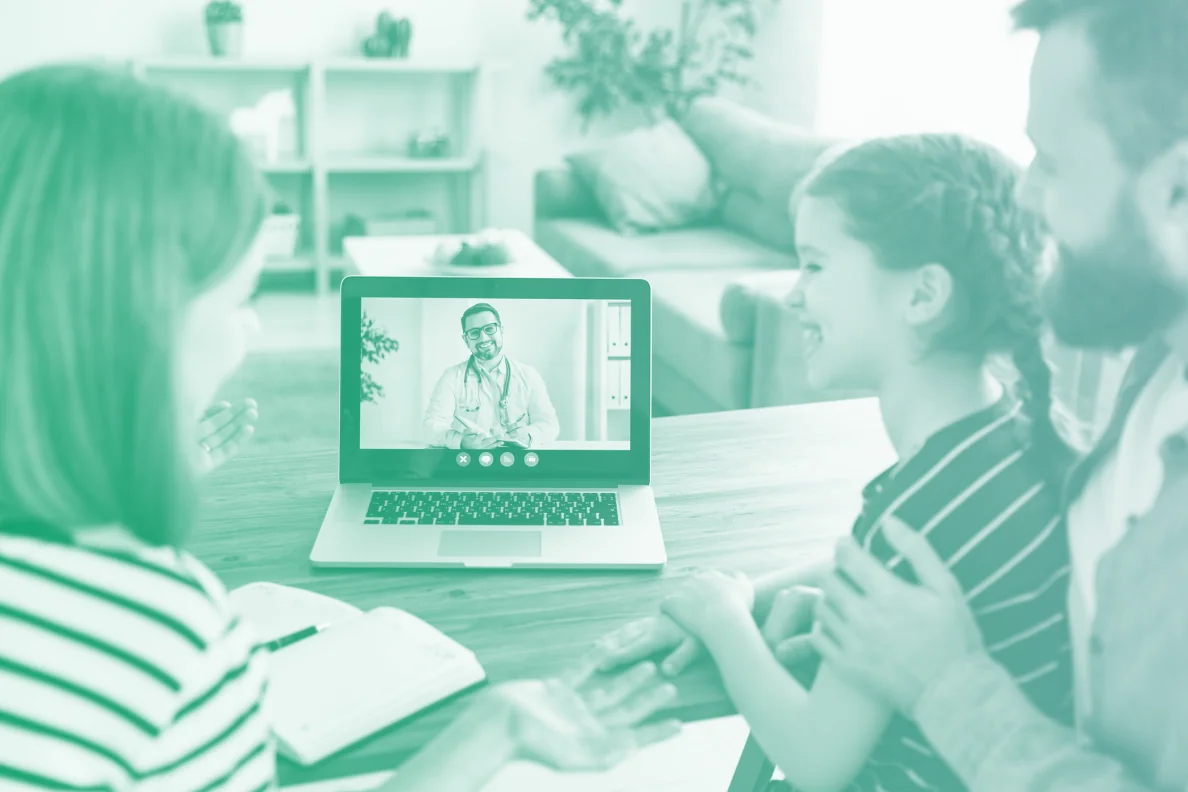
Remote patient monitoring eliminates geographical barriers by allowing patients to receive care from the comfort of their own homes. This is particularly beneficial for individuals residing in rural areas or those with limited mobility who may struggle with regular clinic visits.
3. Cost Savings
By reducing hospital readmissions and emergency room visits, remote patient monitoring helps lower healthcare costs significantly. Continuous monitoring allows for early intervention and proactive management of chronic conditions, preventing complications that could lead to expensive hospital stays or treatments.
4. Patient Empowerment and Engagement
Remote patient monitoring empowers patients by actively involving them in managing their health conditions. Patients can access their real-time health data through mobile applications or web portals, enabling them to take an active role in self-care and make informed decisions about their well-being.
5. Efficient Use of Healthcare Resources
With remote patient monitoring, healthcare providers can efficiently allocate resources based on the severity level indicated by the collected data. Patients who require immediate attention can be prioritized, while others can continue receiving care remotely without compromising quality.
How to improve Remote Patient Monitoring with Mia‑Care?
Enable remote patient monitoring operations is fundamental to creating flawless integration and enhancing the interoperability between medical devices and the connected applications system. Indeed, without a secure, scalable, and flexible IT Architecture, it would be difficult to generate value by collecting data from the hospital’s system of records used to manage patients’ therapy. It becomes mandatory to favor a comprehensive and seamless exchange of information among the IT legacy system, aiming at the optimization of available resources.
Mia-Care, enhanced by the excellence of Mia-Platform, is the perfect solution for healthcare providers who want to build an interconnected ecosystem dedicated to improving and anticipating the next patient’s needs. Mia-Care’s Composable Architecture, enabled by the power of Fast Data, provides the following benefits:
- Unlock the power of your data siloed in traditional system of records;
- Develop new applications dedicated to remote monitoring operations;
- Empower doctor-to-patient relationships;
- Develop and deliver Software as a Medical Device and DTx.
Conclusions
Remote patient monitoring offers several benefits that revolutionize the way healthcare is delivered today. From improved access to timely interventions and cost savings, this innovation has the potential to enhance patient outcomes and transform the healthcare landscape. Adopting the Mia-Care software suite to enhance the healthcare companies that work on remote patient monitoring led to deep interoperability among the stakeholders operating in the care space. It finally led to a higher quality in terms of the effectiveness of medical device use and adherence to therapy by patients.